A 1994 BMW E36 316i Sedan — bought tired, with 230,000 kilometres on the clock and a list of faults longer than the service history. Not a pristine shell. Not a competition car. A real car, with real problems, being fixed the right way.
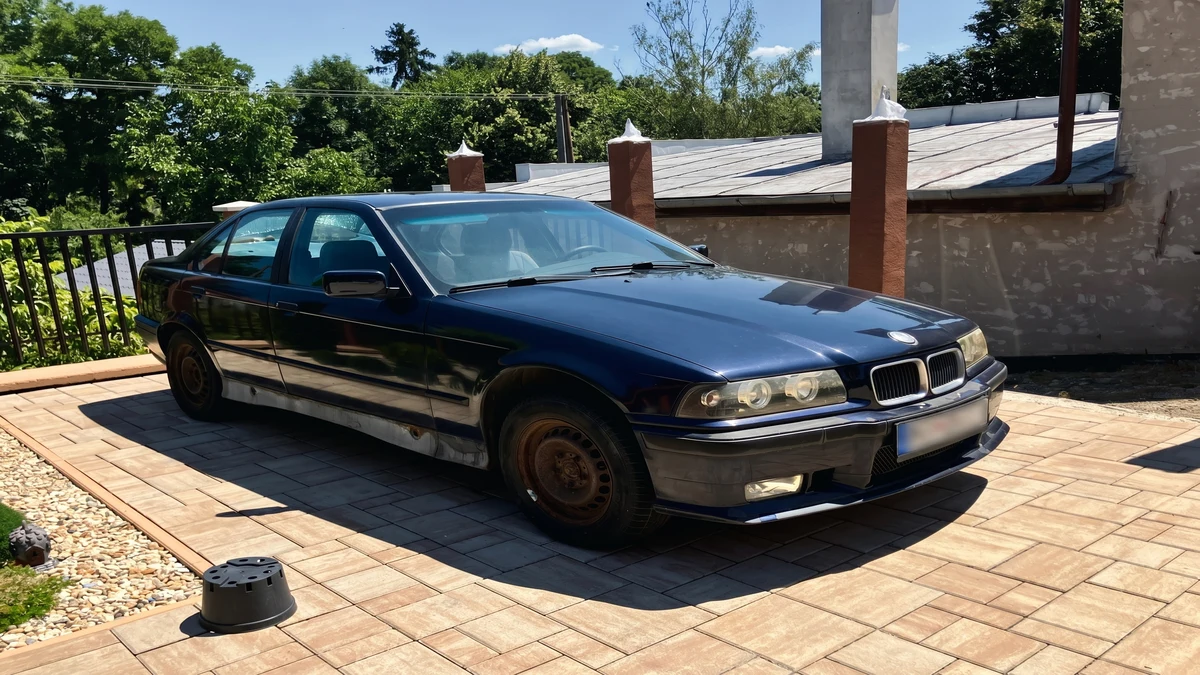
E36 316i Sedan, built in 1994. Munich steel, four-cylinder M43B16 engine producing 102 hp, five-speed manual gearbox, rear-wheel drive. Alpine Blue over Anthracite cloth. The E36 was BMW's bread-and-butter car of the nineties — not exotic, but engineered with the same fundamentals as the M3 that shared its platform.
The 316i was the entry-level variant. That is precisely the point. The bones are identical to the six-cylinder cars — same suspension geometry, same subframe, same body shell. The M43 is a placeholder. Everything else is the foundation.
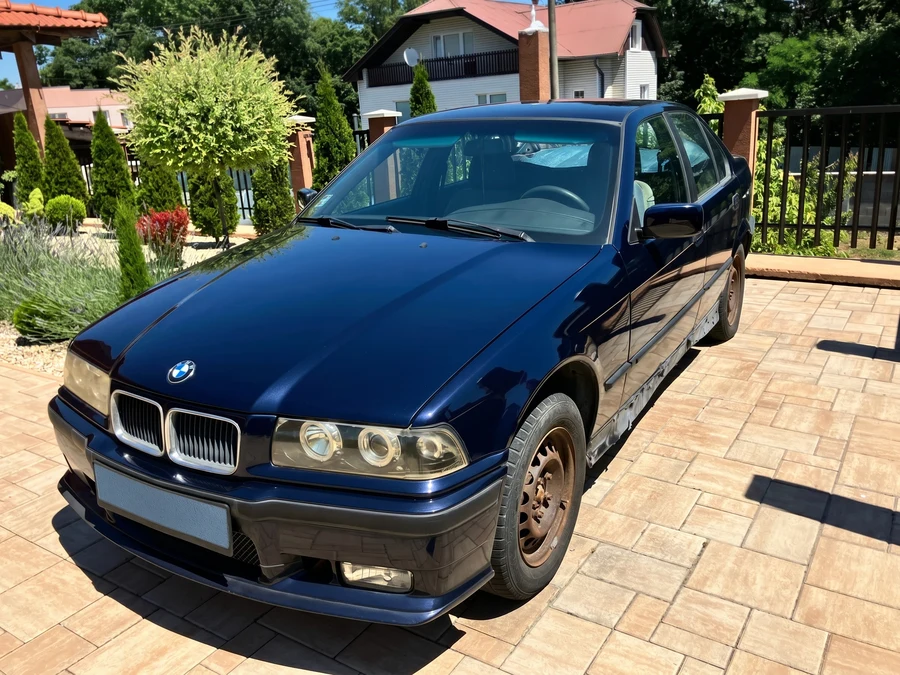
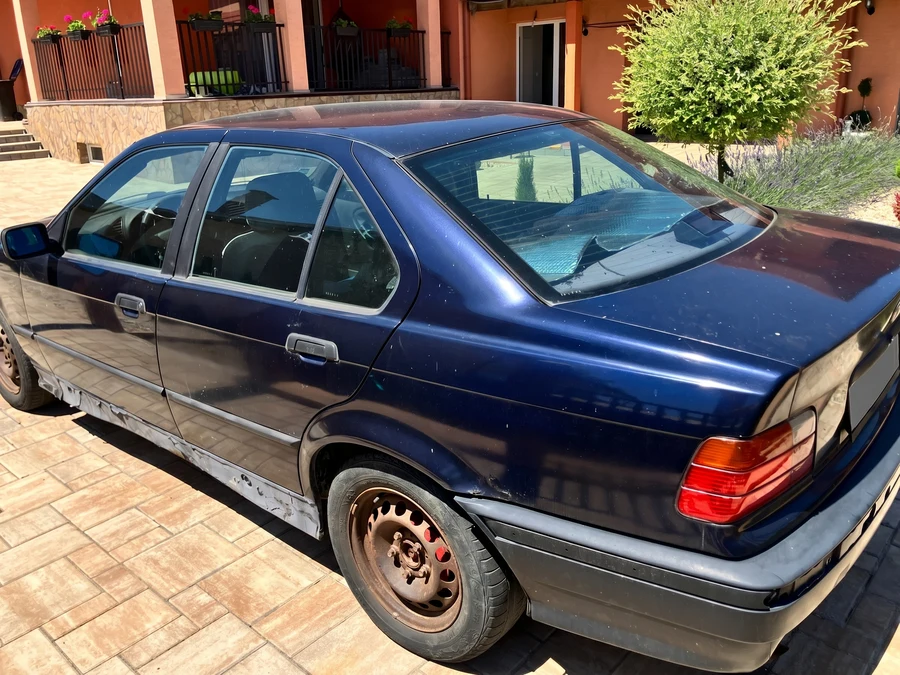
The car arrived with the kind of history common to high-mileage E36s: cooling system leaks deferred too long, rust starting in the sills and rear arches, electrical faults never traced to root cause, and a service record that stopped being stamped around 150,000 kilometres. Driveable. Far from right.
The structural condition was assessed first. Sill rust was surface-level on one side, deeper on the other. The rear arch lips had bubbled but not perforated. The floor and inner sills were clean. A car worth saving — but only if done properly.
The goal is a complete transformation across eleven chapters — not a show car, not a track car, but a genuinely sorted driver's machine built to last another 200,000 kilometres. Every system addressed, nothing bodged.
The E36 is a well-understood car — thirty years of ownership, a deep parts network, and plenty of forum threads. What it lacks is documentation that is structured, accurate, and honest about the failures as much as the successes.
Every decision on this car is written down: what was done, why, what it cost, what went wrong, and what was learned. The guides come from that work directly — not copied from forums, not speculative, but tested on this specific car and cross-referenced against BMW's own ETM and repair documentation.
The tools section exists because the same calculations kept coming up — wheel fitment, offset, tire diameter, swap compatibility — and a spreadsheet gets old quickly.
I'm [your name], based in [location]. [One sentence about your background — what you do, how long you've been into cars, or how you ended up with an E36.]
[A paragraph about why this specific car — why the E36, why a 316i as the starting point, what the project means to you beyond just having a working car at the end of it.]
[A paragraph about how you work — what you do yourself, what you outsource, your philosophy on how the build should be done. Readers find this context useful when deciding how much to trust the guides.]
Follow the swap.
New guides, build chapters, and tool releases — no spam, just sparks.