TL;DR
- 1992–1995 E36s use OBD1: BMW’s own diagnosis through the round 20-pin connector under the bonnet. Generic OBD2 scanners don’t work on them.
- From 1996 (OBD2), there is also a 16-pin OBD2 socket on the lower left dash panel.
- Blink codes (five accelerator presses) work only on cars with a Check Engine light, which mainly means US-spec cars. Many European cars don’t have one.
- For a European OBD1 car, plan on a BMW-capable diagnostic tool: BMW’s diagnostic software on a laptop with a suitable interface, or a dedicated BMW OBD1 code reader.
The 20-pin connector
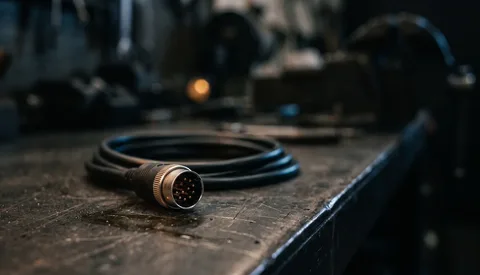
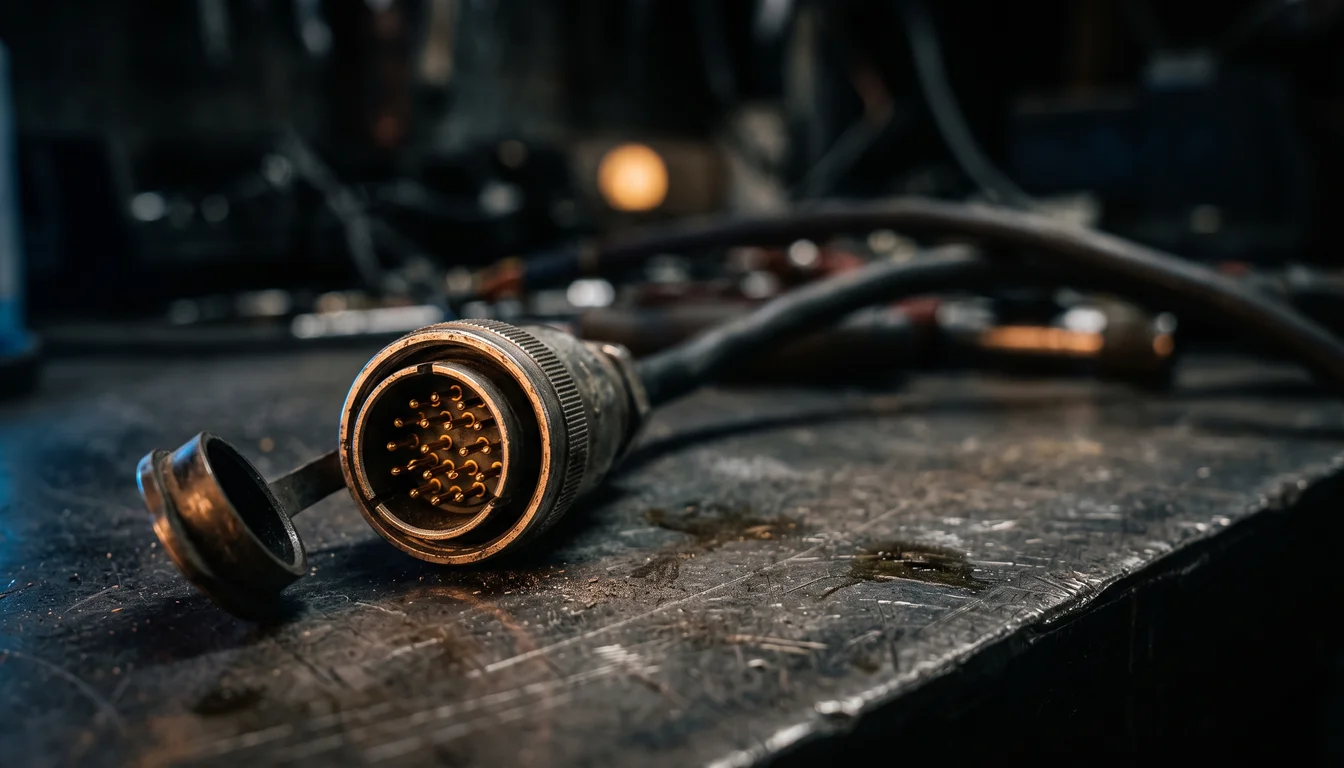
The round 20-pin diagnostic connector sits under the bonnet. Bentley’s ECM pin tables show the DME’s diagnosis lines going to it:
| DME pin (M3.1 / M3.3.1) | Signal | 20-pin connector |
|---|---|---|
| 87 | Diagnostic RxD (receive) | Pin 15 |
| 88 | Diagnostic TxD (transmit) | Pin 20 |
Other control units (ABS, airbag, body electronics and so on) also have diagnosis lines to the connector. Check the wiring diagrams for your car’s build date for the full pin list, and don’t bridge pins on this connector to “read codes”: that is not how OBD1 E36s work.
Your options
1. Accelerator-pedal blink codes (US-spec cars)
Ignition on, accelerator fully down five times within five seconds, and the Check Engine light blinks the DME codes. It costs nothing, but it needs a working Check Engine light, it shows DME codes only, and no live data. Details and the code list: OBD1 fault code reference.
2. A dedicated BMW OBD1 code reader
Handheld readers made for BMW’s OBD1 cars plug into the 20-pin connector and read and clear fault codes without a laptop. Check which control units and model years a reader supports before buying.
3. BMW diagnostic software on a laptop
BMW’s own workshop diagnostic programs, run on a laptop through an interface to the 20-pin connector, give the most: fault memory and live data for the DME and the other control units. Two things decide whether it works on your car:
- The interface: older E36s are commonly reported to need a serial “ADS”-type interface for full access. USB cables made for later BMWs, used with a 20-pin adapter, reach some cars and control units but not all. Ask the seller about your exact model and year before buying.
- The configuration: the diagnostic software’s communication layer has to be set to the interface you actually use. A mismatch is the most common reason for “no connection”.
Setting up BMW diagnostic software (outline)
- Use a laptop with the port your interface needs: a real serial port for a serial ADS interface, USB for a USB cable.
- Install the communication layer and then the diagnostic program, following the instructions that come with your interface or software package.
- Set the communication layer’s interface setting to match your hardware.
- Connect to the 20-pin connector, switch the ignition on, and start the program.
- If there’s no connection, check the interface setting, the cable, the ignition and the connector’s contacts before anything else.
What to check after an engine swap
With a working tool, before and after the first start:
- DME fault memory: read it, note everything, fix the causes, clear it, and read again after a drive.
- Live data vs. factory values: coolant and air temperature against a known engine temperature, throttle position from idle to full, oxygen sensor switching once warm, and battery voltage at 13.5–14.5 V running. Compare with the sensor values guide.
- Other control units: read the ABS, airbag and body electronics fault memories too. A swap involves a lot of unplugging, and those faults also need clearing.
Shopping list
| Need | What to buy |
|---|---|
| Read DME codes on a US-spec car | Nothing: blink codes |
| Read and clear codes, any OBD1 E36 | A BMW OBD1 code reader for the 20-pin connector |
| Codes and live data for all modules | BMW diagnostic software plus an interface confirmed to work with your model and year, and a laptop with the right port |
This article is part of the Projekt 36 reference database. It will be updated as we work through the M50 swap diagnostics on our own car and document what we find.